

Understanding the Crucial Role of Temperature Control Switches in Construction Projects
Classification: knowledge
Time:2025-11-05
Understanding the Crucial Role of Temperature Control Switches in Construction Projects
Table of Contents
- 1. Introduction to Temperature Control Switches in Construction
- 2. Functionality of Temperature Control Switches
- 3. Benefits of Using Temperature Control Switches
- 4. Types of Temperature Control Switches Used in Construction
- 5. How to Properly Install Temperature Control Switches
- 6. Maintenance Tips for Temperature Control Switches
- 7. Regulatory Standards and Compliance
- 8. Future Trends in Temperature Control Technology
- 9. Frequently Asked Questions
- 10. Conclusion
1. Introduction to Temperature Control Switches in Construction
In the fast-paced world of construction, ensuring a controlled environment is essential for the success of any project. One critical component that plays a pivotal role in maintaining this environment is the **temperature control switch**. These devices help manage heating and cooling systems, ensuring that materials and equipment operate within their optimal temperature ranges. This article will explore the importance of temperature control switches, their functionality, and how they contribute to efficiency and safety in construction projects.
2. Functionality of Temperature Control Switches
Temperature control switches function by monitoring the ambient temperature and regulating it according to predetermined settings. They act as a bridge between the construction equipment or environment and the **heating, ventilation, and air conditioning (HVAC)** systems.
When the temperature exceeds or falls below the set threshold, the switch triggers a response, either activating or deactivating the HVAC system. This automatic regulation is essential for:
- **Protecting Sensitive Materials:** Many construction materials, such as adhesives, paints, and coatings, can be adversely affected by extreme temperatures.
- **Enhancing Worker Comfort and Safety:** A controlled environment promotes better working conditions, reducing the risk of heat stress or cold-related illnesses among workers.
- **Energy Efficiency:** By optimizing temperature settings, projects can significantly reduce energy consumption, leading to cost savings.
3. Benefits of Using Temperature Control Switches
Implementing temperature control switches in construction offers numerous advantages:
3.1 Improved Quality Control
Temperature fluctuations can lead to defects in materials and workmanship. By maintaining consistent temperatures, quality assurance is achieved, resulting in fewer reworks and defects.
3.2 Enhanced Energy Efficiency
Effective temperature management reduces energy costs. Construction sites often consume vast amounts of power for heating and cooling; thus, automating these processes leads to significant savings.
3.3 Increased Safety
Temperature control switches mitigate hazards associated with extreme weather conditions. By ensuring that workers are operating in a safe environment, the risk of accidents and injuries diminishes.
3.4 Compliance with Standards
Many construction projects are subject to regulations that stipulate climate control within work environments. Using proper temperature control switches ensures compliance with these standards.
4. Types of Temperature Control Switches Used in Construction
There are various types of temperature control switches that serve different functions in construction:
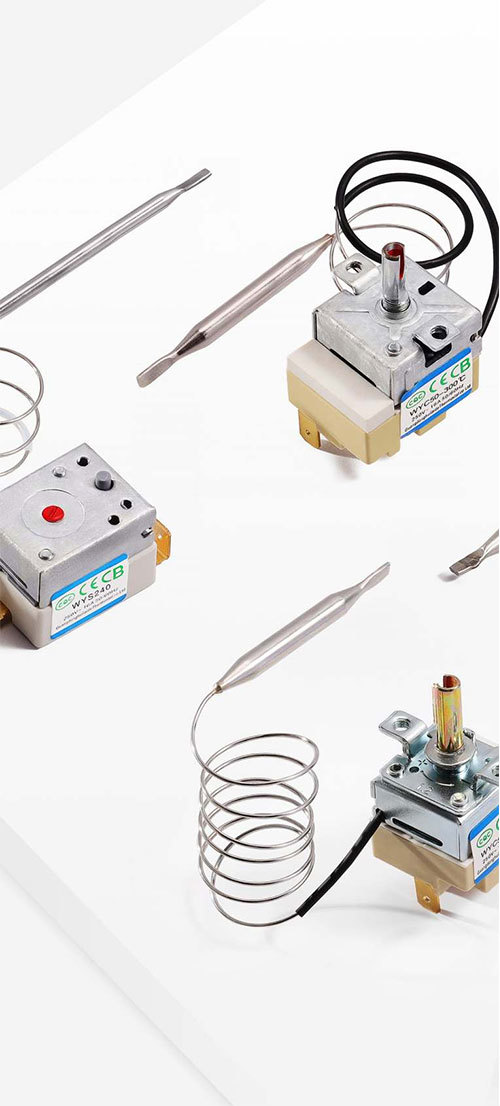
4.1 Thermostatic Switches
Thermostatic switches activate or deactivate heating or cooling systems based on a specific temperature setting. They are commonly used in HVAC systems, ensuring comfort in temporary structures.
4.2 Electronic Temperature Control Switches
These advanced switches utilize microprocessors to provide accurate temperature readings and control. They can be programmed for specific applications and are ideal for complex systems.
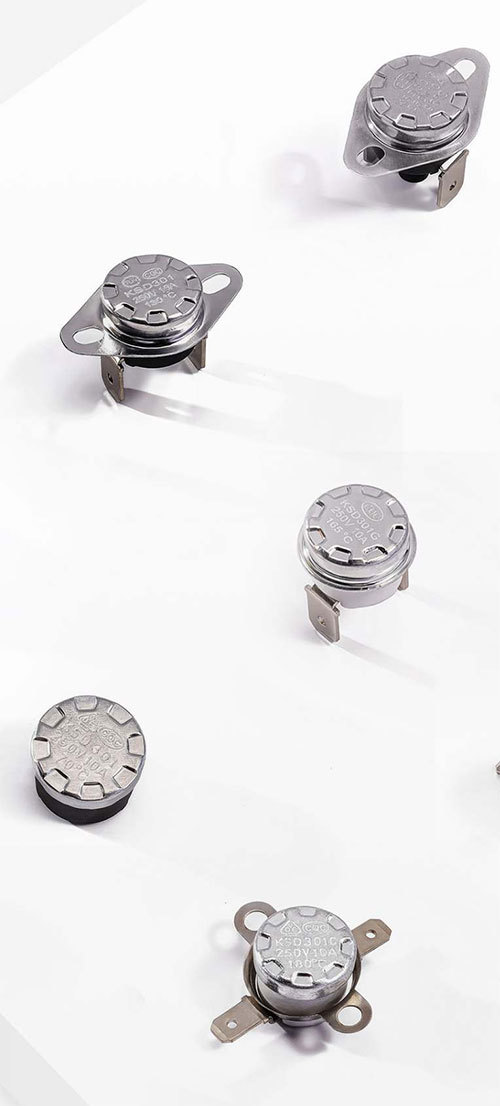
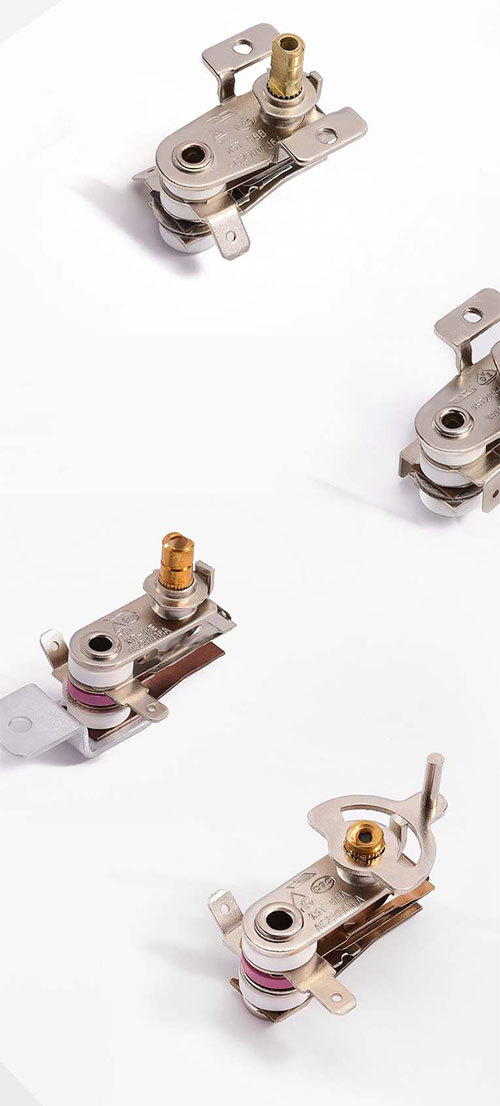
4.3 Bimetallic Temperature Control Switches
Bimetallic switches use two different metals that expand at different rates. They are often used in simple applications due to their reliability and low cost.
4.4 Programmable Temperature Control Switches
These switches allow for customizable temperature settings based on time and day, ideal for projects with varying temperature requirements throughout the day.
5. How to Properly Install Temperature Control Switches
Installing temperature control switches requires careful planning to ensure optimal performance. Here are steps for proper installation:
5.1 Assess the Environment
Evaluate the construction site to determine the best location for the switches, ensuring they are not exposed to direct sunlight or moisture.
5.2 Choose the Right Switch
Select a switch that meets the specific temperature control needs of your project, considering factors like the type of HVAC system in use.
5.3 Follow Manufacturer Instructions
Always adhere to the manufacturer’s guidelines for installation. This includes wiring, calibration, and placement for accurate readings.
5.4 Test the System
Once installed, test the switch to ensure it responds accurately to temperature changes, adjusting settings as necessary.
6. Maintenance Tips for Temperature Control Switches
Regular maintenance of temperature control switches is crucial for longevity and efficiency. Here are essential tips:
6.1 Regular Inspections
Conduct inspections to check for signs of wear and tear, loose connections, or other issues that could hinder functionality.
6.2 Calibration
Ensure that the switches are calibrated regularly to maintain accuracy in temperature readings.
6.3 Cleanliness
Keep the switches and surrounding areas clean to prevent dust and debris from interfering with their operation.
6.4 Update Software
For electronic switches, ensure that firmware and software are up to date, allowing for optimal performance and security.
7. Regulatory Standards and Compliance
Compliance with local and national regulations regarding temperature control is essential in the construction industry. Understanding these standards helps ensure that projects are not only efficient but also legally compliant.
7.1 OSHA Standards
The Occupational Safety and Health Administration (OSHA) sets guidelines for maintaining a safe working environment, which includes temperature control measures.
7.2 Local Building Codes
Many jurisdictions have specific building codes that dictate climate control requirements for construction sites. Familiarize yourself with these codes to ensure compliance.
7.3 Environmental Regulations
Adhering to environmental standards not only promotes sustainability but also enhances a company's reputation and can lead to more business opportunities.
8. Future Trends in Temperature Control Technology
As technology evolves, so too do temperature control systems. Here are a few trends shaping the future:
8.1 Smart Technology Integration
The integration of smart technology allows for remote monitoring and control of temperature systems, providing real-time data and alerts.
8.2 Energy Efficiency Innovations
Ongoing advancements in energy-efficient designs and materials will continue to improve the effectiveness of temperature control switches.
8.3 Sustainable Practices
Increasing emphasis on sustainability in construction means that temperature control technologies will increasingly focus on reducing energy consumption and environmental impact.
9. Frequently Asked Questions
9.1 What is a temperature control switch?
A temperature control switch is a device that regulates temperature by activating or deactivating HVAC systems based on specific temperature settings.
9.2 How do I know which temperature control switch to use?
Choosing the right switch depends on your specific project needs, including the type of HVAC system in use and the required temperature range.
9.3 How often should I maintain temperature control switches?
Regular inspections should be conducted quarterly, with more extensive maintenance performed annually to ensure optimal functionality.
9.4 Can temperature control switches save on energy costs?
Yes, by optimizing heating and cooling processes, temperature control switches can significantly reduce energy consumption and costs.
9.5 What are the safety implications of using temperature control switches?
Properly functioning temperature control switches enhance safety by preventing extreme temperature conditions that could harm workers or materials.
10. Conclusion
Incorporating temperature control switches into construction practices is not merely a technical choice; it is a strategic decision that enhances quality, safety, and efficiency. As the industry continues to evolve, understanding the importance and functionality of these devices becomes imperative for successful project management. By staying informed about the latest technologies and adhering to best practices, construction professionals can ensure a conducive working environment, ultimately leading to successful project outcomes. Temperature control switches are a vital tool in the modern construction toolkit, and their proper implementation can yield significant benefits for both projects and personnel.
Keyword: Understanding the Crucial Role of Temperature Control Switches in Construction Projects
RELATED INFORMATION

How Temperature Controller Thermostats Significantly Enhance Home Energy Efficiency
How Temperature Controller Thermostats Improve Energy Efficiency in Homes Introduction to Temperature Controller Thermostats In today’s eco-conscious world, homeowners are increasingly seeking ways to reduce energy consumption while maintaining a comfortable living environment. Temperature controller thermostats play a pivotal role in this pursuit. By intelligently managing the heating and cooling
2025/12/03
Understanding Temperature Controller Thermostats: Essential Insights for Your Building Projects
--- Temperature controller thermostats play a crucial role in modern building and decoration projects, especially in optimizing indoor climate control. These devices are engineered to regulate heating and cooling systems, ensuring that spaces maintain a comfortable temperature. Understanding their functionality and benefits can greatly enhance your project’s efficiency and effectiveness. At the co
2025/11/26

Huilonghas passedls09001 certification in2003.0ur products are compliant with EU RoHS Directiveand certified by COC, VDE, UL, TUV, CE,CB.
Contact Us
+86-757-28397819
C1 Building, CSCEC'S S&TInnovation Park, No.81,Xijiao Road, Ronggui, Shunde, Foshan, Guangdong Province

Mobile Website